Why Your Brain Loves 7 and Fears 13: The Hidden Psychology Behind Number Choices in Casino Games
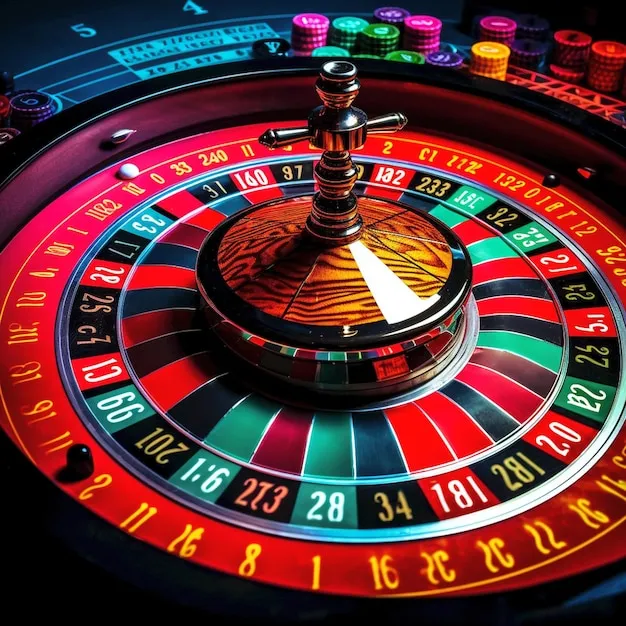
Photo: colorful casino roulette wheel numbers close up, via img.freepik.com
Here at 078922o Casino, numbers aren't just part of the name — they're the whole game. But here's something worth thinking about: when you're picking your lottery digits, placing a roulette bet, or choosing your slot line, how much of that decision is really yours? Turns out, your brain has been quietly building a number preference list your entire life. And the science behind it is genuinely fascinating.
The Most Popular Numbers in the World (And Why That's Not a Coincidence)
Ask a hundred Americans to pick a number between 1 and 10, and a disproportionate chunk will say 7. Studies in cognitive psychology have replicated this result across cultures, age groups, and education levels. Seven keeps winning the popularity contest — not because it's statistically special, but because it feels special.
Psychologists point to a concept called cognitive fluency, which basically means our brains prefer things that feel familiar and easy to process. Seven shows up constantly in American life: seven days in a week, seven deadly sins, lucky sevens on slot machines, seven wonders of the world. By the time you're old enough to sit at a casino table, your brain has been marinating in the number 7 for decades. It's not superstition so much as deeply baked-in familiarity.
Then there's 42, which carries a different kind of cultural weight — especially for anyone who grew up reading The Hitchhiker's Guide to the Galaxy, where it's famously declared "the answer to life, the universe, and everything." For a certain generation of players, 42 carries a kind of ironic reverence. It's a pop culture lucky number, which is its own weird category of psychological attachment.
The 13 Problem: Fear Dressed Up as Superstition
Flip the coin and you've got 13 — the number a significant portion of Americans actively avoid. Triskaidekaphobia (fear of the number 13) is real enough that buildings skip the 13th floor, airlines drop row 13, and some players will refuse to bet on it even when the payout odds are identical to every other number on the board.
Where does this come from? A mix of sources, honestly. Christian tradition links 13 to the Last Supper (thirteen at the table, bad outcome followed). Norse mythology has its own version. Friday the 13th has been culturally reinforced as unlucky for so long that the anxiety has taken on a life of its own. From a neuroscience standpoint, this is negativity bias at work — our brains are wired to weight negative associations more heavily than positive ones, which means one bad cultural story about 13 can outweigh a hundred neutral experiences with it.
The ironic twist? In some European countries, 13 is considered lucky. The number's reputation is entirely constructed, which tells you a lot about how arbitrary these associations really are.
Pattern Recognition: Your Brain's Best Feature (And Worst Enemy)
Humans are, at a fundamental level, pattern-recognition machines. This was incredibly useful when we needed to identify predators or predict weather. It becomes a liability when we're sitting at a roulette wheel convincing ourselves that red is "due" because black came up five times in a row.
This is called the gambler's fallacy, and it's one of the most well-documented cognitive biases in behavioral economics. Each spin of the wheel is an independent event. The wheel doesn't remember what it did last time. But our brains are so committed to finding patterns that we manufacture them where none exist.
Number selection plugs directly into this. Players often gravitate toward numbers that haven't appeared recently, operating on the unconscious assumption that the universe is keeping score and will eventually balance things out. It won't. The math doesn't care about your feelings about 23.
The Neurological Side of Lucky Numbers
Beyond psychology, there's actual brain chemistry involved. Research in neuroeconomics shows that anticipating a win — regardless of whether it happens — triggers dopamine release in the brain's reward pathways. When you pick "your" number and feel that surge of hope as the wheel spins, that's dopamine doing its thing.
The number you picked is almost beside the point. What your brain is responding to is the ritual of choosing. Having a lucky number gives players a sense of agency and control in an environment that is, by design, largely outside their control. Psychologists call this illusion of control, and it's remarkably persistent even among people who intellectually understand that casino games are random.
So Does Your Number Choice Actually Matter?
In games of pure chance — roulette, slots, lottery draws — the honest answer is no. The probability is the same regardless of whether you pick 7 or 38. The house edge doesn't shift based on your emotional attachment to a digit. The math is indifferent.
That said, your number choices can matter in one indirect way: they affect your mindset. Players who feel a sense of ownership over their picks tend to stay more engaged and, interestingly, are sometimes more disciplined about walking away when they've hit their limits — because they feel like active participants rather than passive observers.
At 078922o Casino, we think the smartest play is to enjoy the psychological ritual of number selection for exactly what it is: a fun, human quirk that makes gaming feel personal. Just don't let it trick you into thinking the numbers themselves have memory, loyalty, or any stake in the outcome. They don't. But you do — and that's what makes the game worth playing.