From Birthdays to Betting Lines: The Real Reason Americans Can't Stop Chasing Lucky Numbers
Ask any regular casino player what their lucky number is, and you'll almost never get a shrug. You'll get a story. Maybe it's the jersey number of a childhood sports hero. Maybe it's the date of a wedding anniversary. Maybe it's just 7, because — well, it's always been 7, right?
At 078922o Casino, where numbers aren't just part of the name but the entire foundation of the experience, we find this stuff genuinely fascinating. The relationship between American players and their preferred digits runs surprisingly deep, touching on psychology, culture, family tradition, and some pretty compelling neuroscience. So let's unpack it.
Your Brain Was Built to Find Patterns — Even Where None Exist
Here's the uncomfortable truth that cognitive psychologists have been pointing out for decades: the human brain is an extraordinary pattern-recognition machine. It's so good at finding patterns, in fact, that it regularly invents them out of pure noise.
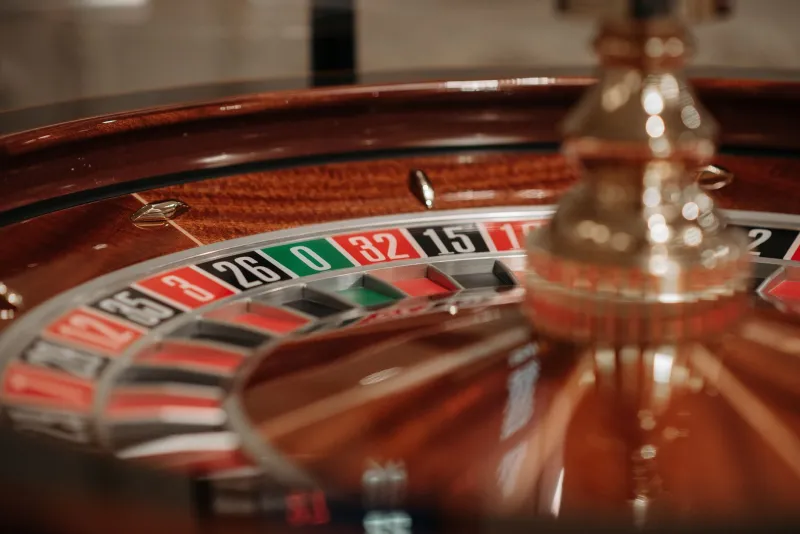
This phenomenon, known as apophenia, is the tendency to perceive meaningful connections between unrelated things. It's the same mental wiring that helped your ancestors identify predators hiding in tall grass, and it's also what makes you absolutely convinced that 22 is "due" to hit on the roulette wheel after it hasn't appeared in thirty spins.
Dr. Stuart Vyse, a behavioral scientist who has written extensively on superstition and belief, describes this as a survival mechanism working against us in probability-based environments. "We are pattern learners by design," he's noted in various academic contexts. "Random sequences feel unnatural to us, so we impose structure on them."
For casino players, this manifests as numerical preference — a genuine psychological attachment to specific numbers that influences real betting decisions. And it's not a fringe behavior. Research consistently shows that the majority of regular gamblers maintain personal "lucky" numbers that they return to repeatedly, regardless of past outcomes.
The American Cultural Cocktail
The US is a uniquely interesting case study in numerology and gaming psychology because it's such a cultural blender. American players bring lucky number traditions from dozens of different backgrounds.
In many Asian-American communities, the number 8 carries powerful connotations of prosperity and good fortune — a belief rooted in Chinese linguistic tradition where the word for eight sounds similar to the word for wealth. At the same time, many players from Eastern European backgrounds treat 13 as a neutral or even positive number, while mainstream American culture treats it as deeply unlucky (blame the Friday the 13th mythology baked into our pop culture).
Then there's the quintessentially American obsession with 7. It shows up everywhere — slot machine jackpots, lucky dice rolls, even the phrasing "lucky seven" in everyday speech. This one has roots in Christian tradition (seven days of creation), ancient numerology, and decades of reinforcement through popular culture and, yes, casino marketing.
The result is a gaming population with an incredibly diverse and personal relationship with specific numbers — which is part of what makes platforms like 078922o Casino so compelling. When your gaming identity is numerically grounded from the very start, it resonates with players who already think this way.
Confirmation Bias: The Engine That Keeps the Lucky Number Alive
Here's where things get really interesting from a psychological standpoint. Even if lucky numbers were completely random in their outcomes — and statistically, they are — players would still feel like they work. Why? Confirmation bias.
This is the well-documented cognitive tendency to notice and remember information that supports what we already believe, while downplaying or forgetting information that contradicts it. If you believe 11 is your lucky number, you will vividly remember every time 11 came through for you, and mentally file away the losses as "bad luck that day" or "I played it wrong."
Gaming psychologists who study player behavior have noted that this bias is particularly strong in casino environments, where wins are emotionally intense and memorable while losses blend together over time. The wins on your lucky number feel like confirmation. The losses feel like exceptions.
This isn't a character flaw — it's just how human memory and emotion interact. But it does explain why lucky numbers persist across thousands of losing sessions without losing their emotional grip on players.
Birthday Numbers and the Personal Attachment Factor
One of the most common sources of lucky numbers in casino gaming is birthdays — your own, your kids', your parents'. This is so prevalent that gaming researchers have a name for it: birthday number bias.
The attachment here isn't really about numerology at all. It's about emotional significance. When you bet on the date your daughter was born, you're not just placing a wager — you're making a connection between the game and something that matters deeply to you. That emotional investment makes wins feel more meaningful and losses feel more personal.
Interestingly, this also creates a quirky statistical effect in lottery games: numbers between 1 and 31 (representing calendar dates) are disproportionately popular choices among players, which means jackpot winners who chose those numbers are more likely to split the prize with other winners who made the same choice.
In casino games where you're playing against the house rather than other players, this doesn't affect your odds. But it's a perfect illustration of how deeply personal the number-game connection really is.
What This Means for How You Play
Understanding the psychology of lucky numbers doesn't mean you have to abandon yours. There's genuine value in having a consistent approach to gaming — it can create focus, reduce decision fatigue, and make the experience more personally meaningful.
What it does mean is being aware of when emotional attachment to specific numbers is influencing decisions that should be based on probability and bankroll management. Betting your entire session budget on a single number because it "feels due" is a classic example of pattern recognition and confirmation bias working together in a way that isn't in your favor.
At 078922o Casino, we believe that understanding the numbers — all of them, from the personal to the probabilistic — makes you a smarter, more engaged player. Your numbers matter. Your game matters. But the best players are the ones who know exactly why they're playing the way they are.
And hey, if 7 keeps coming through for you? We're not going to tell you to stop.