Spin Size Isn't a Skill Setting: What $1 and $5 Slots Actually Do to a $100 Bankroll
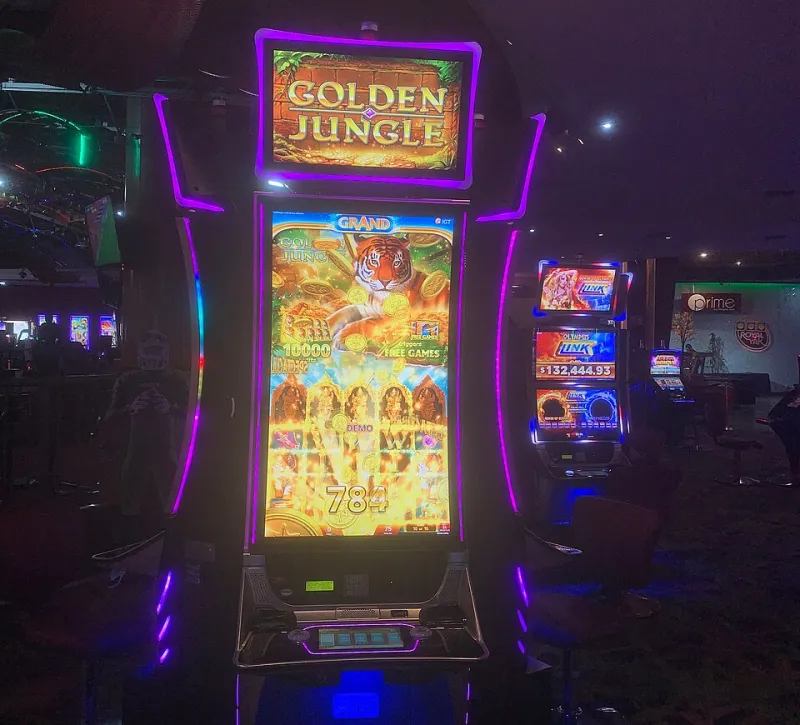
Photo: Maximo Betman, CC BY-SA 4.0, via Wikimedia Commons
At 078922o, we spend a lot of time with numbers. One of the most common questions from new players is simple: if I move from a $1 spin to a $5 spin, do my odds get better? The short answer is no. The longer answer is that the ride changes in ways that matter for your bankroll.
The Number That Stays Put: RTP
A slot's return-to-player (RTP) percentage is the long-run average of how much it pays back per dollar wagered. A 96% RTP game returns about $96 for every $100 put through it over millions of spins. That percentage does not care whether you are spinning for $1 or $5. The house edge—the other 4%—also stays the same. Casinos are not handing out better math to bigger bettors. They are giving you the same math with bigger numbers attached.
This is why 'bigger bets, bigger wins' is only half the story. Bigger bets do produce bigger wins when they hit. They also produce bigger losses when they do not.
What Actually Changes: Burn Rate and Swing Size
Your bet size changes two things quickly: how fast your bankroll burns and how wide the swings feel. Put a $100 bankroll on a $1 slot and you have 100 spins of runway before you hit zero, assuming no wins at all. Put the same $100 on a $5 slot and you have 20 spins of runway. Wins will stretch that, of course, but the cold streaks hit five times harder.
The expected loss per spin also scales with your bet. At a 4% house edge, a $1 spin has an expected loss of 4 cents. A $5 spin has an expected loss of 20 cents. If you play 100 spins at $1, your expected loss is about $4. If you play 100 spins at $5, your expected loss is about $20. Same game, same RTP, five times the exposure.
A $100 Bankroll Test
Imagine two players sit down on the same 96% RTP slot. Player A bets $1 per spin. Player B bets $5 per spin. Both bring $100.
Player A can absorb a 20-spin losing streak and still have $80 left. Player B can absorb a 20-spin losing streak and have nothing. Player A is more likely to reach a bonus round, a free-spin feature, or just a longer evening. Player B is more likely to see the balance vanish before the game feels like it got going.
That does not make Player B wrong. It makes Player B's session a different product. Higher stakes buy more volatility: bigger peaks, deeper valleys, and a shorter expected session for the same bankroll.
Why the $5 Button Feels Smarter Than It Is
Your brain notices the bigger win amounts. A $5 spin that pays 20x shows $100 on the screen; a $1 spin paying 20x shows $20. The $100 feels like a real event. What your brain does not flash on screen is the five times larger bet that created it and the faster burn rate behind it.
This is where the 078922o number habit helps: compare the bet, the bankroll, and the session length together. A $5 spin on a $100 bankroll is not a smarter bet than a $1 spin. It is a more aggressive bet. That can be fine if you planned for it. It is trouble if you did it because the win screen looked better.
The Takeaway
Bet size does not change the underlying RTP or house edge. It changes how much each spin costs, how fast your bankroll moves, and how wide the swings get. If you want a longer ride, smaller bets do that. If you want bigger swings, bigger bets do that. Neither one changes the math in your favor.
At 078922o, your numbers are your game. Pick a spin size that matches the bankroll you brought—not the win screenshot you want to see.